Cross Stitch Embroidery: A Font with Handmade Charm
There’s a certain nostalgia that comes with the look of hand-stitched letters—the kind you’d find on a vintage sampler, a handmade gift, or a cozy cottage sign. Cross Stitch Embroidery is a display font that captures that timeless, tactile feeling in digital form. It’s a typeface built for creators who want their projects to feel personal, crafted, and full of character. Whether you’re designing a logo for a boutique brand, creating social media graphics that stand out, or packaging products with a handmade aesthetic, this font offers a unique visual language that connects with audiences on a human level.
Why This Typeface Feels So Approachable
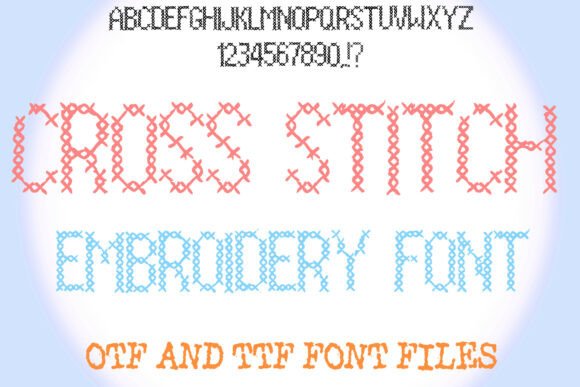
What makes Cross Stitch Embroidery visually appealing isn’t just its novelty—it’s the texture and rhythm embedded in each letter. The font mimics the X-shaped stitches of traditional needlework, giving letters a soft, slightly irregular quality that feels organic. Unlike sterile, perfectly geometric typefaces, this one has a personality that’s both quirky and sophisticated. It works beautifully in contexts where you want to convey warmth, authenticity, or a handcrafted touch. Think of it as a bridge between digital precision and analog charm—a way to add visual interest without sacrificing readability at larger sizes.
The included uppercase and lowercase letters, numerals, and punctuation are designed to work harmoniously, so you can create words and phrases that feel cohesive. You can color each letter individually to match your brand palette or project theme, adding another layer of customization. This flexibility makes it a practical tool for designers who need a font that adapts to different visual contexts while maintaining its distinctive character.
Real-World Applications for Designers and Brands
For small business owners and entrepreneurs, typography is often the silent workhorse of brand identity. A font like Cross Stitch Embroidery can become a signature element in your visual toolkit—used consistently across packaging, business cards, and website headers to create instant recognition. Imagine a bakery using it for its logo and menu boards, or a handmade soap company featuring it on labels and social media posts. The font’s inherent warmth can help communicate values like craftsmanship, attention to detail, and care—qualities that resonate with customers looking for authentic brands.
Content creators and marketers can leverage its unique style to make social media graphics more engaging. A quote card, announcement, or promotional post set in Cross Stitch Embroidery feels more personal and shareable than generic sans-serif text. For bloggers, it can add a distinctive touch to headers, pull quotes, or featured images, helping to establish a recognizable visual voice. In editorial layouts or magazine-style designs, it can highlight key phrases or titles with a handcrafted flair that draws the eye.
The font also shines in print materials—think wedding invitations, event posters, or thank-you cards. Its textured appearance translates well to physical products, especially when printed on textured paper or applied to merchandise like tote bags, mugs, or apparel. For digital products such as e-books, worksheets, or online course materials, using this font for headings or section titles can make your content feel more curated and intentional.
Practical Tips for Using This Font Effectively
While Cross Stitch Embroidery is a versatile creative font, it’s important to use it thoughtfully. As a display typeface, it’s best suited for headlines, logos, and short phrases rather than body text. Pair it with a clean, simple serif or sans-serif font for longer paragraphs to maintain readability. For example, a modern sans-serif like Open Sans or a classic serif like Lora can provide a balanced contrast that lets the embroidered letters stand out without overwhelming the design.
Consider the scale and medium. At larger sizes, the stitch-like details become more visible and impactful, making it ideal for posters, banners, and packaging. At smaller sizes, the texture might lose some clarity, so test it at the intended viewing size before finalizing your design. If you’re using it for web design, ensure that the font renders well across different devices and browsers. Many designers embed it as a web font for headers or accent text, using CSS to control size, color, and spacing.
Color choice plays a significant role in how the font communicates. Because each letter can be colored individually, you can create monochromatic schemes for a subtle look or multicolored designs for a playful, vibrant feel. This feature is particularly useful for branding, where you might want to incorporate specific brand colors into the typography itself. For marketing assets like social media ads or email headers, experimenting with color gradients or duotone effects can add depth and visual interest.
Building a Cohesive Visual Identity
Consistency is key in branding, and a distinctive font like Cross Stitch Embroidery can become a cornerstone of your visual identity when used strategically. By incorporating it into key touchpoints—your logo, website headers, packaging, and social media profiles—you create a unified look that reinforces brand recognition. Customers begin to associate the font’s unique style with your business, making your communications instantly identifiable even without a logo present.
For creative entrepreneurs, this font can help differentiate your offerings in crowded markets. A stationery brand using it for product names and descriptions, or a craft workshop using it for promotional materials, immediately signals a hands-on, artisanal approach. In digital products, such as printable planners or design templates, the font adds perceived value by making the product feel more custom and thoughtful.
When integrating this typeface into your projects, always consider your audience and goals. It’s perfect for brands targeting consumers who appreciate handmade, vintage, or niche aesthetics—think craft markets, boutique shops, or creative services. For more corporate or formal contexts, it might be best used sparingly as an accent rather than a primary typeface. Testing font pairings and layouts with real content helps ensure that the final design communicates the right tone and remains legible across all applications.
Final Thoughts on Embracing Handcrafted Typography
In a digital landscape often dominated by sleek, impersonal fonts, Cross Stitch Embroidery offers a refreshing return to tactile, human-centered design. It’s a tool for adding personality, warmth, and a sense of authenticity to a wide range of creative projects. Whether you’re a designer exploring new styles, a small business owner building a brand, or a hobbyist looking for a unique font for personal creations, this typeface provides both aesthetic appeal and practical flexibility. By understanding its strengths and applying it thoughtfully, you can create designs that not only look beautiful but also connect with your audience on a more personal level.