Pinsetter Line: The Single-Line Font for Modern Crafters
There’s a certain magic in a line. Not a thick, bold stroke that shouts for attention, but a single, deliberate mark that traces the essence of a form. This is the world of single-line and hairline fonts, a design trend that has moved from niche craft rooms to mainstream branding. These typefaces are elegant, efficient, and perfect for tools that draw rather than print. Enter Pinsetter Line, a thoughtfully designed font that bridges the gap between artistic expression and practical application, offering creators a versatile tool for projects that demand both style and substance.
Beyond the Outline: What Makes a Single-Line Font Special?
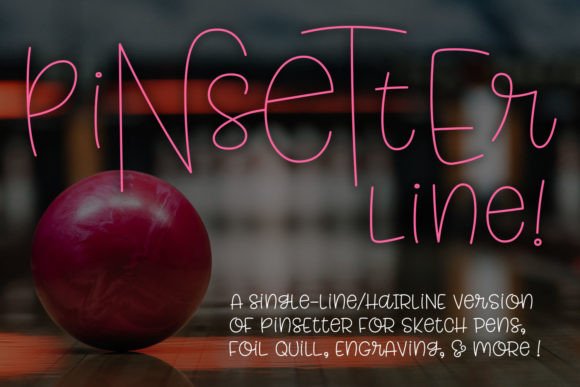
Unlike traditional fonts that use closed outlines to form letters, a single-line font is defined by a single vector path. This isn't just a stylistic choice; it's a functional one. When you load a sketch pen, foil quill, or engraving tool into your cutting machine, the software instructs the machine to follow that single path. The result is a smooth, continuous line—no double-pass, no filled area, just the pure character drawn by the tool. Pinsetter Line comes in two key formats to ensure compatibility: a true single-line style for advanced vector software that can interpret the path data, and a hairline style. The hairline version, with its ultra-thin closed path, is the workhorse for most popular programs like Adobe Illustrator, CorelDRAW, and the design spaces for Cricut and Silhouette, making it accessible to a wide range of creators.
The visual appeal is immediately clear. A font like Pinsetter Line brings a handcrafted, technical precision to designs. It feels modern and clean, yet retains an organic quality because it mimics the action of a pen or stylus. This makes it an exceptional choice for projects where a personal touch is paramount, but a sloppy, handwritten font won’t do. It’s the typography equivalent of a skilled draftsman’s hand—controlled, elegant, and intentionally minimalist.
Practical Applications: From Brand Identity to Handmade Goods
The true value of a premium font like Pinsetter Line is measured in its utility across diverse projects. For a small business owner or entrepreneur building a brand, consistency is key. Imagine using Pinsetter Line for your brand’s secondary typography—on packaging details, thank-you card messages, or social media call-to-action buttons. Its distinct character helps build recognition without overwhelming your primary logo. It pairs beautifully with a bold serif font for a classic look or a clean sans serif for a more contemporary feel.
For the crafter and hobbyist, the applications are nearly limitless. This isn't a font for typing a document; it's a creative asset for making things. Consider these real-world uses:
- Custom Merchandise: Create elegant, single-line designs for tote bags, hats, or t-shirts using a foil quill or embroidery file conversion.
- Paper Crafting: Design stunning wedding invitations, greeting cards, and place settings with a sketch pen, achieving a look that’s impossible with standard print.
- Home Decor: Engrave personalized signs, coasters, or jewelry with a CNC or laser engraver, where the clean line produces a professional finish.
- Digital Products: Use the font in Canva or Photoshop to create mockups, social media templates, or printable art with a unique, textured appearance.
The included Littles, Middles, and Talls alternates add another layer of creative control. These stylistic sets allow you to vary the height and proportion of letters within a word, preventing a monotonous look and adding dynamic rhythm to your headlines or logos. This feature is particularly useful in editorial design and packaging design, where visual interest can capture a reader’s eye in a crowded market.
Pairing and Readability: Making Pinsetter Line Work for You
A common pitfall with specialty fonts is overuse. Pinsetter Line shines as an accent font, not a body copy font. Its strength lies in headlines, logos, short phrases, and decorative elements where its unique construction can be fully appreciated. For longer text blocks, pair it with a highly readable serif font for a traditional publication feel or a versatile sans serif font for digital screens and modern layouts.
When testing your font pairing, create a sample layout with your primary message in Pinsetter Line and supporting text in your chosen companion. Check for contrast in weight and style—avoid pairing it with another decorative or script font, as this can create visual chaos. The goal is harmony, where the single-line font adds a point of interest without competing for attention. Always test your design at the actual size it will be used, especially for web design and social media graphics, to ensure the line remains clear and impactful on various screens.
Understanding Your Asset: File Types and Licensing
Pinsetter Line’s distribution includes a helpful PDF character map, a simple yet invaluable resource. This allows you to easily view all available glyphs, including the alternates, and copy-paste characters directly if your design software makes accessing PUA-encoded characters cumbersome. This attention to user experience demonstrates an understanding of the creative process.
As with any design asset, understanding the license is crucial. Always review the commercial licensing terms included with your purchase. Most premium fonts for crafters allow for small-scale commercial use, such as selling handmade goods or using the font in client work, but may have restrictions on large-volume production or resale of the font files themselves. Clarifying this upfront protects your business and ensures you’re using the font ethically.
In a landscape saturated with standard typography, a font like Pinsetter Line offers a specialized tool that solves a specific problem with elegance. It’s not just another typeface; it’s a bridge between digital design and physical creation, empowering you to produce work that feels both personal and professionally polished. Whether you’re refining a brand identity, crafting a bespoke invitation, or developing a new product line, it provides the precision and personality to make your project stand out.