The Simple Magic of Hello Kitty Font: A Designer's Secret Weapon
There's something undeniably charming about a font that feels like it was written by a friend. In a world saturated with sleek, sterile digital typefaces, a handwritten font like Hello Kitty offers a breath of fresh air. It's not trying to be overly sophisticated or cutting-edge; instead, it brings a genuine, human touch to any project. This simplicity is its greatest strength. As a designer or creator, you know that the right typography doesn't just display words—it sets a mood, tells a story, and builds an instant connection with your audience. Hello Kitty, with its straightforward, legible, and friendly letterforms, is a versatile tool for doing exactly that.
Beyond Cute: The Practical Appeal of a Handwritten Style
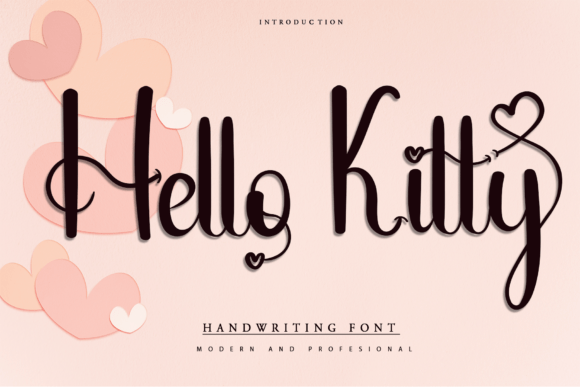
Let's be clear: while the name might evoke a certain iconic character, the Hello Kitty font in this context is a typeface designed for clarity and warmth. Its visual appeal lies in its consistency and natural flow. Each character maintains a balanced x-height and uniform stroke width, which is crucial for readability. Unlike some overly ornate script fonts where letters can get lost or tangled, this font keeps things clean. The slight imperfections and organic curves mimic the look of actual penmanship, which triggers a subconscious feeling of authenticity. This makes it an excellent choice for projects where you want to communicate approachability, creativity, and trustworthiness.
Where This Font Truly Shines: Real-World Applications
Thinking about practical uses is where the value of a font like Hello Kitty becomes crystal clear. Its versatility allows it to move seamlessly between digital and print, personal and professional contexts.
- Branding & Logo Design: For small businesses, especially in the lifestyle, wellness, food, or boutique retail sectors, a handwritten font can be the cornerstone of a brand identity. Using Hello Kitty for a logo or brand name instantly gives the business a personal, owner-operated feel. It works beautifully for bakery logos, yoga studio branding, or indie bookstore identities.
- Packaging Design: Imagine a handmade soap label, a artisan coffee bag, or a gourmet jam jar. A font like this adds a layer of craft and care, suggesting the product inside was made with attention to detail. It’s perfect for labels, tags, and informational text on packaging.
- Digital Presence: On social media, a handwritten font cuts through the noise of standard sans-serifs. Use it for Instagram quote graphics, Facebook ad headlines, or Pinterest pin titles to grab attention and convey a relatable tone. For websites and blogs, it’s ideal for headings, subheadings, or pull quotes in articles, adding visual interest without sacrificing readability for body text.
- Marketing & Print Collateral: From flyers and posters for local events to thank-you cards and loyalty program materials, Hello Kitty brings a friendly, inviting vibe. It’s particularly effective for calls-to-action where you want the message to feel like a personal invitation rather than a corporate demand.
- Editorial & Digital Products: In editorial design, such as magazine sidebars or cookbook chapter titles, it provides a pleasant contrast to more formal body text. For digital products like planners, e-books, or online course materials, it can make content feel more accessible and less intimidating.
Integrating Hello Kitty into Your Design Workflow
Simply choosing a beautiful font isn't enough. The real skill lies in using it effectively to serve your project's goals. Here’s how to think about integrating a font like Hello Kitty into your work.
Match the Font to the Message. Ask yourself: What is the core feeling I want to evoke? If the answer is "friendly," "creative," "handmade," or "approachable," you're on the right track. If you're designing a legal document or a corporate annual report, this probably isn't the font for the body copy—but it could be perfect for an internal team newsletter header to boost morale.
Master the Art of Font Pairing. A handwritten font like Hello Kitty rarely works well alone for large blocks of text. Its strength is in headlines, logos, and short bursts of text. Pair it with a highly readable sans serif font or a serif font for body copy. For example, use Hello Kitty for your H1 and H2 headings on a webpage, then pair it with a clean, modern sans-serif like Open Sans or Lato for the paragraphs. This creates a clear visual hierarchy and ensures your content is easy to read.
Prioritize Readability Above All. Always test your font choices at the size they'll be displayed. While Hello Kitty is designed for clarity, it's still a display font. Ensure there is sufficient contrast between the text and background. Avoid using it for long paragraphs in small sizes, especially on screens where legibility is paramount. Its magic is in the details, so make sure those details are visible.
Consider the Commercial License. If you're using this font for a client project, a business logo, or merchandise you plan to sell, you must verify the licensing. Many "free for personal use" fonts require a premium font license for commercial applications. This is a critical step to protect yourself and your clients legally. Investing in the proper commercial font license is a standard part of professional design assets acquisition.
Building a Cohesive Visual Language
Using a distinctive font like Hello Kitty consistently across your touchpoints is a powerful way to build brand recognition. When your audience sees that familiar, friendly script on your Instagram post, your product packaging, and your website banner, it creates a cohesive brand identity. This consistency makes your business more memorable and professional. It’s not just about making things look pretty; it’s about strategic visual communication that builds trust and loyalty over time.
Ultimately, the best font is one that works hard for you. Hello Kitty offers a unique blend of personality and practicality. It’s a creative font that can help small businesses stand out, help content creators connect with their audience, and help designers add a touch of humanity to their projects. So, the next time you're staring at a blank canvas, wondering how to give your project that simple, natural, and engaging feel, consider giving this versatile handwritten typeface a try. You might be surprised at how much warmth a few well-chosen letters can bring.